

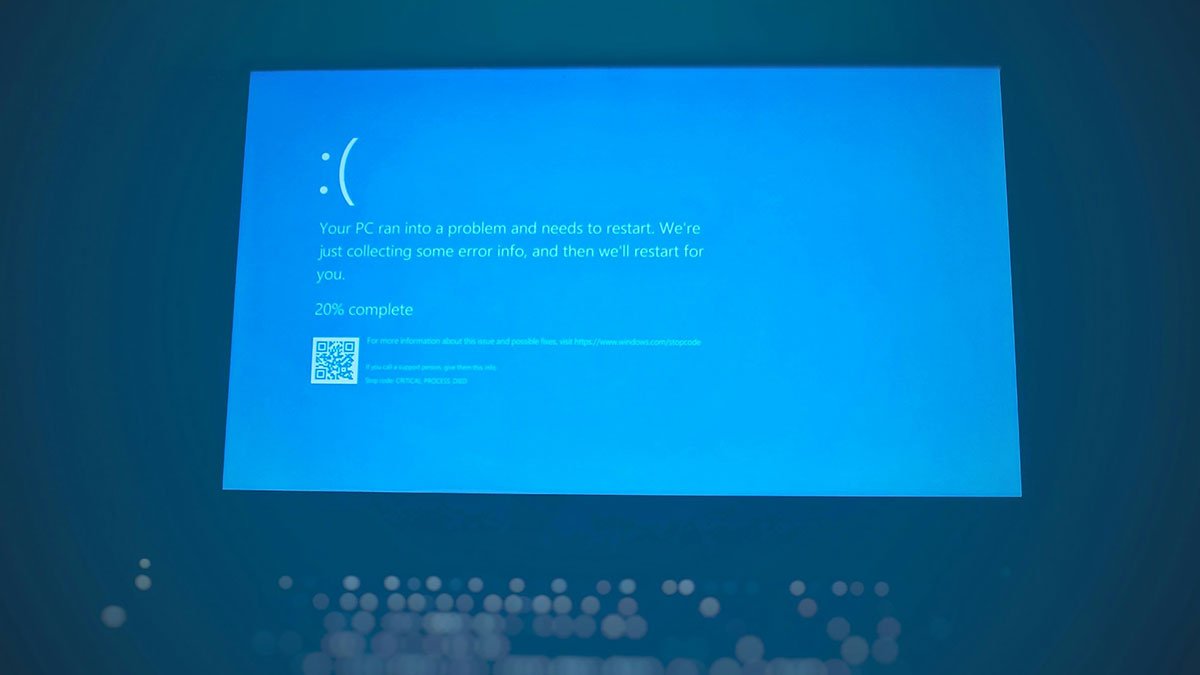
It started with a slow computer. A Chaguanas-based accountant ignored it for weeks; a spinning cursor here, a frozen screen there. Then one morning, tax season in full swing, the system wouldn't boot at all. Three days of client files. Gone.
This isn't an unusual story. It's the kind of thing we hear regularly at Techova. From shop owners in San Fernando, freelancers in Arima, small teams in Port of Spain. Technology failure rarely announces itself. It creeps, then crashes.
And in Trinidad & Tobago, where importing replacement parts takes time and remote support from overseas companies means navigating time zones and impersonal ticketing systems, the cost of downtime hits differently than it does elsewhere.
The reality of running on unreliable tech
Most small business owners in T&T aren't sitting on large IT budgets. They're running lean, one desktop, a shared Wi-Fi connection, maybe a basic accounting tool or a WhatsApp Business account that doubles as customer service. That setup works, until it doesn't.
A virus infection can encrypt your files overnight. An outdated router can bottleneck an entire office. A failed hard drive with no backup can erase years of customer records. These aren't worst-case scenarios they're the calls we get every week.
"The problem isn't that people don't care about their technology. It's that they don't think about it until something breaks and by then, the damage is already done."
The same applies at home. Smart TVs, home Wi-Fi networks supporting five or six devices, personal laptops that double as work machines; the line between home technology and business technology has blurred almost entirely. When your connection drops or your device gets infected, it affects everything: your work, your kids' schooling, your streaming, your bank transfers.
Why the "Google it" approach has limits
There's nothing wrong with trying to solve a problem yourself; resourcefulness is practically a national trait. But there's a difference between fixing a nuisance and actually resolving an issue at its root.
A YouTube tutorial might tell you how to clear a virus. It probably won't tell you how the virus got in, whether it left anything behind, or what to change so it doesn't happen again. That gap between the fix you see and the problem underneath is where most recurring IT issues live.
Professional support isn't about making things complicated. It's about making sure the fix actually sticks and that someone who understands your specific setup, your internet provider, your hardware, is the one doing it.
What local support actually means
When you work with a local provider, response time is measured in hours, not days. If something needs hands-on attention; a hardware failure, a network setup, a new device installation; someone can actually show up. That matters in ways that remote support simply can't replicate.
There's also the question of context. T&T has its own infrastructure quirks: power fluctuations that quietly damage hardware over time, ISP-specific issues that require local knowledge to navigate, and a small business environment where one person often wears every hat including unofficial IT manager. A support provider who understands that reality gives you better solutions than one working from a generic playbook.
Signs it's time to stop waiting
- Your computer is noticeably slower than six months ago
- You don't know when you last backed up your data
- You're running software that's several versions out of date
- You've had the same problem more than twice
- Your Wi-Fi drops constantly and you've just accepted it
- You'd lose critical data if your hard drive failed today
If any of those sound familiar, you're not in a crisis yet but you're closer than you should be. The best time to address IT problems is before they become emergencies.
What Techova does
We work with homeowners and small businesses across Trinidad & Tobago on the full range of day-to-day technology needs: computer and laptop repairs, network setup and troubleshooting, website development, smart home installation, and technology training for individuals and teams.
We're not a helpdesk you call and wait on hold. We're a local team that shows up, diagnoses correctly, and explains what we're doing and why. The goal isn't just to fix the immediate problem; it's to make sure you understand your own technology well enough that smaller issues don't spiral into bigger ones.
If your technology has been giving you trouble or you just want to know where you actually stand before something goes wrong we're easy to reach. No pressure, no jargon.
0 Comments